
Bioretention & Rain Garden Maintenance
Why Bioretention Maintenance Is Important
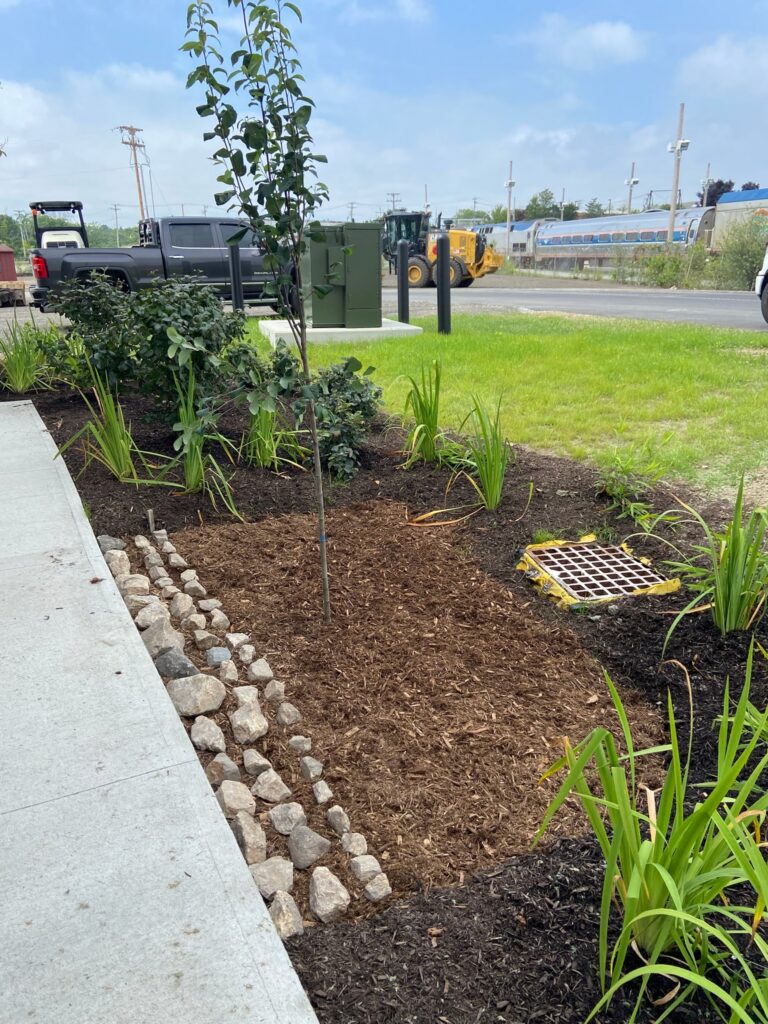
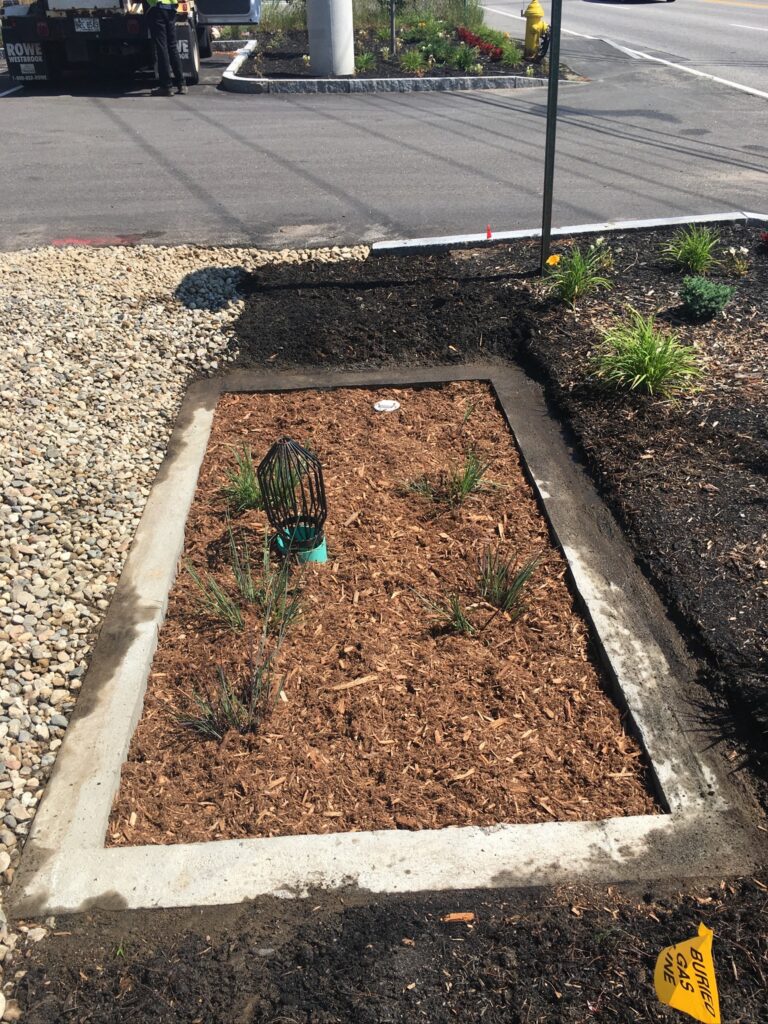
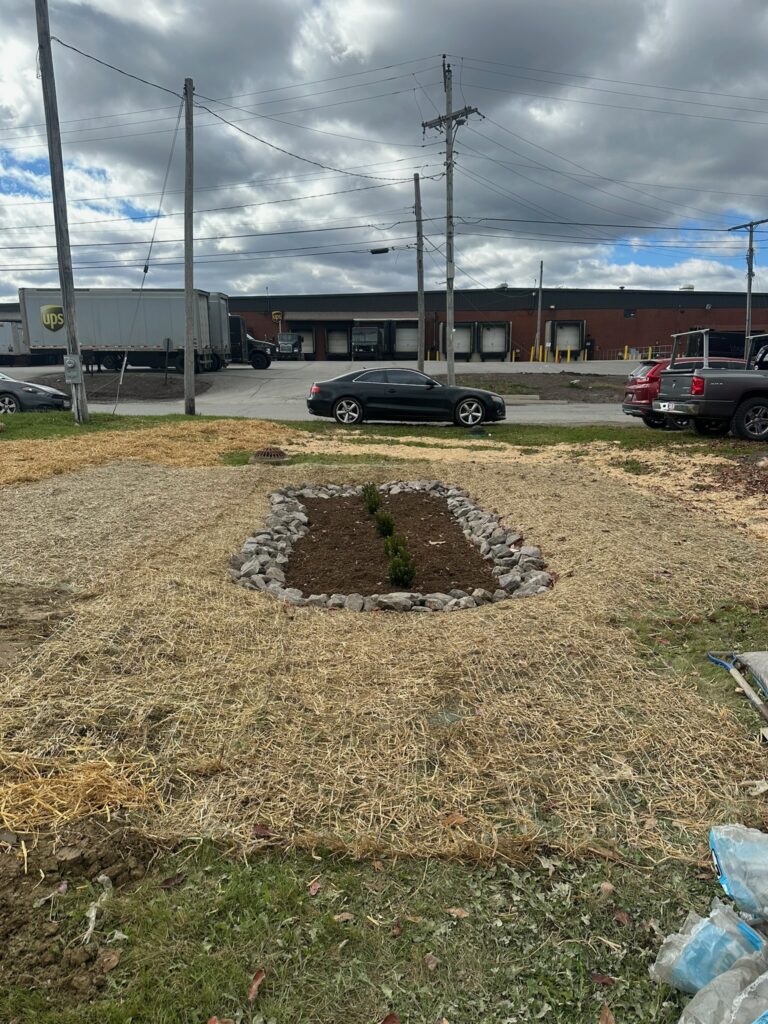
Bioretention systems, commonly referred to as rain gardens or bioretention basins, are designed to treat stormwater runoff through a combination of engineered soil media, vegetation, and natural filtration processes. As stormwater flows into the system, sediment and pollutants are captured and treated through filtration, plant uptake, and biological activity within the soil. These systems help improve water quality, reduce runoff volume, and support stormwater management goals on developed sites.
Over time, sediment and debris accumulate at inlets and across the surface of the system, which can restrict water flow and reduce treatment effectiveness. Changes in vegetation health, invasive plant growth, or loss of plant coverage can also impact the system’s ability to filter pollutants and maintain proper infiltration. Additionally, mulch layers break down over time and soil media can become compacted or clogged with fine sediments, further reducing system performance.
Without routine inspection and maintenance, these issues can lead to reduced treatment efficiency, standing water, erosion, or system failure. Regular maintenance ensures that bioretention systems continue to function as designed, maintain healthy vegetation, and provide long-term stormwater treatment benefits.
What Stormwater Compliance Provides
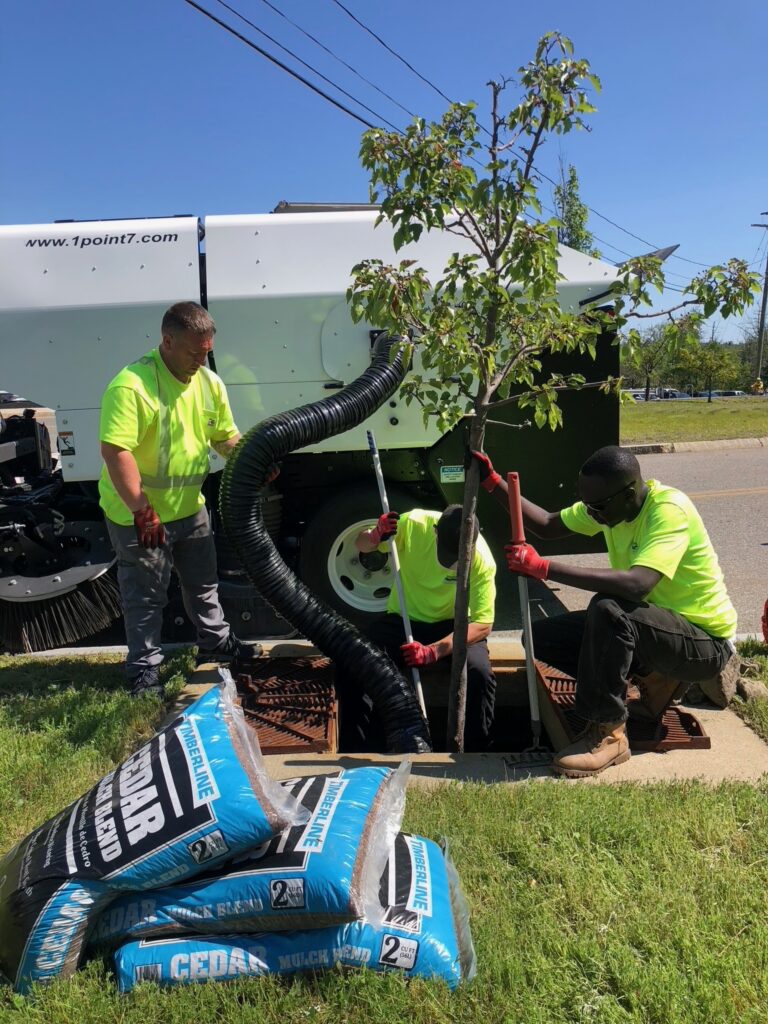
- Removal of accumulated sediment and debris
- Mulch replacement and surface restoration
- Vegetation management, including pruning and invasive species control
- Evaluation of soil media condition and filtration performance
- Inspection of inlets, outlets, and overflow structures
- Documentation to support regulatory compliance and maintenance records
Helpful Resources