
Vegetation Management for Stormwater Systems
Why Vegetation Maintenance Is Necessary
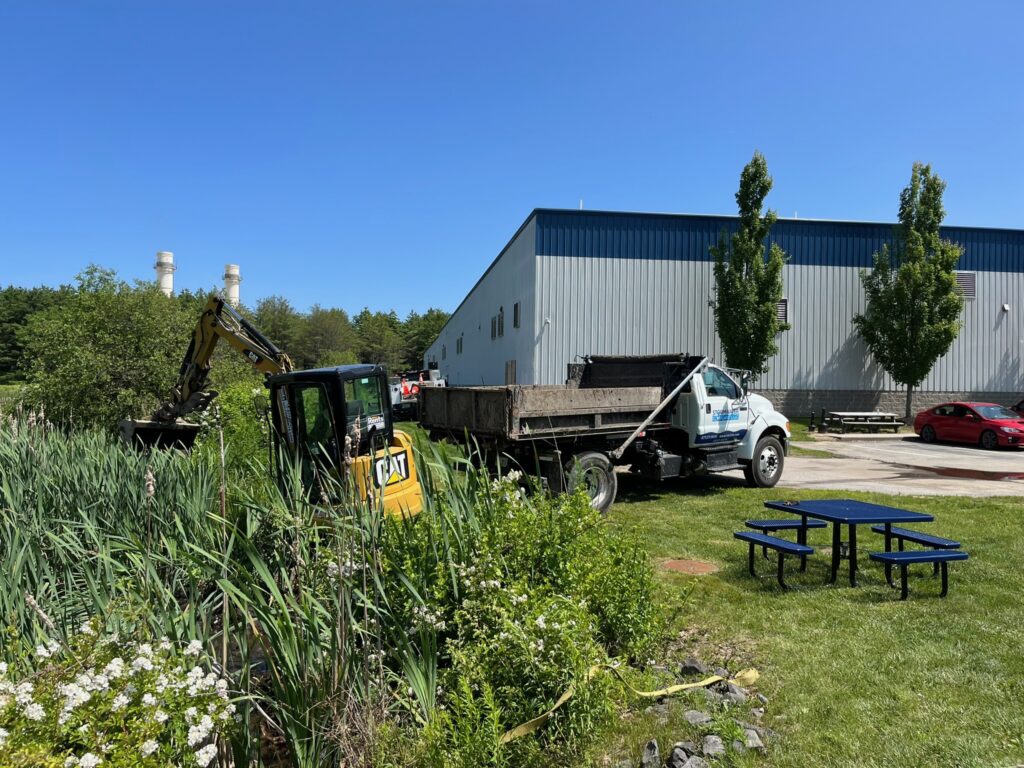
Many stormwater management systems rely on vegetation as a key component of their treatment and drainage performance. Systems such as bioretention areas, rain gardens, vegetated swales, infiltration basins, and other green infrastructure use plants to slow stormwater runoff, promote infiltration, stabilize soils, and help remove pollutants through natural biological processes. Healthy vegetation also helps prevent erosion and supports proper system function.
Over time, vegetation within these systems can become overgrown, stressed, or replaced by invasive species that disrupt the intended plant community. Excessive plant growth, accumulated organic debris, and invasive plants can obstruct drainage paths, reduce infiltration, and limit the system’s ability to properly convey and treat stormwater. In some cases, poor vegetation health or loss of plant coverage can lead to erosion, soil compaction, or reduced treatment effectiveness.
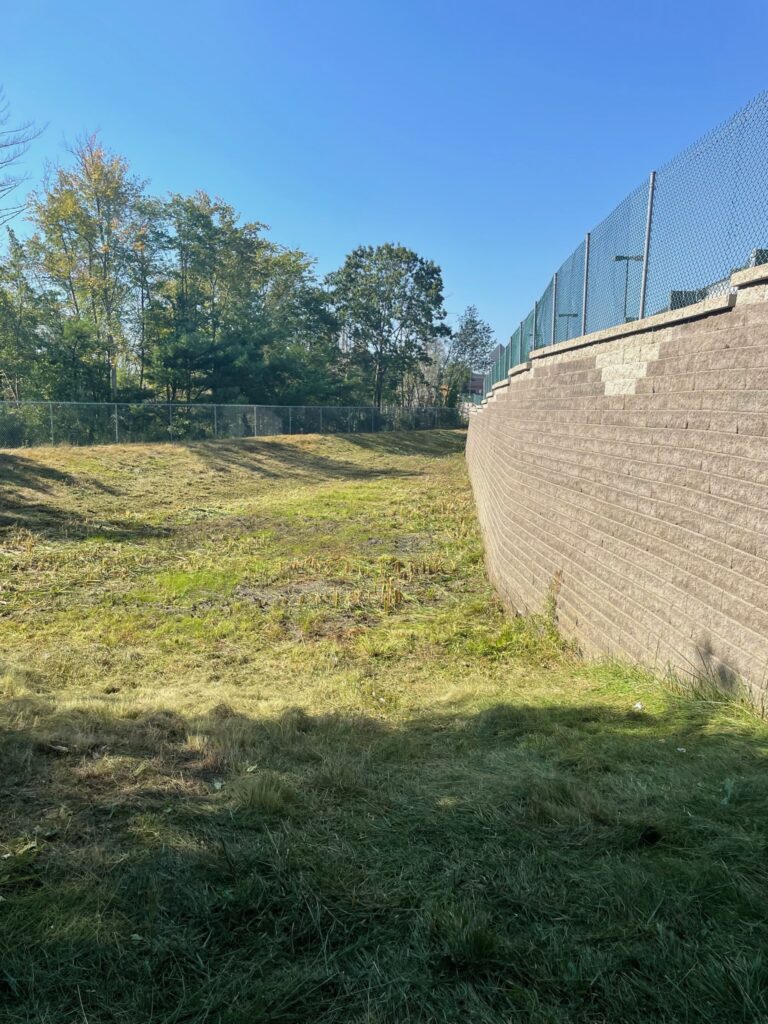
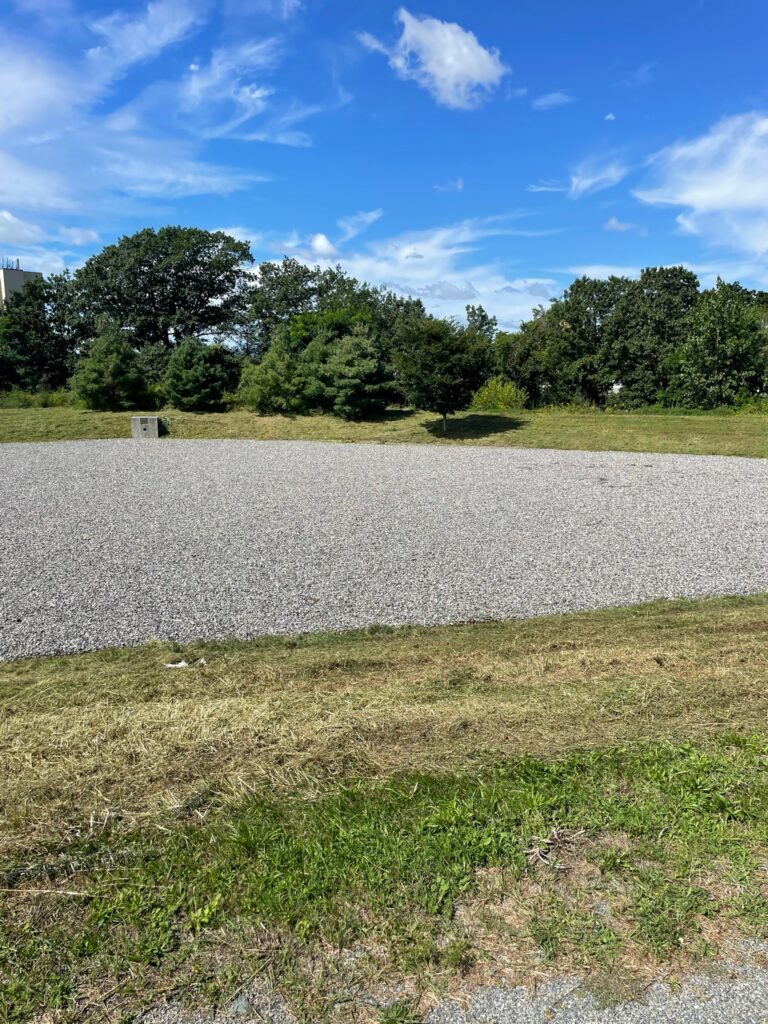
Routine vegetation management ensures that stormwater systems remain healthy, functional, and visually maintained. Proper plant care helps preserve infiltration capacity, maintain designed flow paths, and support long-term stormwater performance while keeping sites compliant with maintenance requirements.
What Stormwater Compliance Provides
- Removal and control of invasive plant species
- Plant trimming, pruning, and general vegetation maintenance
- Mulch replacement to support plant health and soil protection
- Restoration and maintenance of drainage flow paths
- Inspection of vegetated stormwater areas to ensure proper system function
- Documentation to support regulatory compliance and maintenance records
Helpful Resources