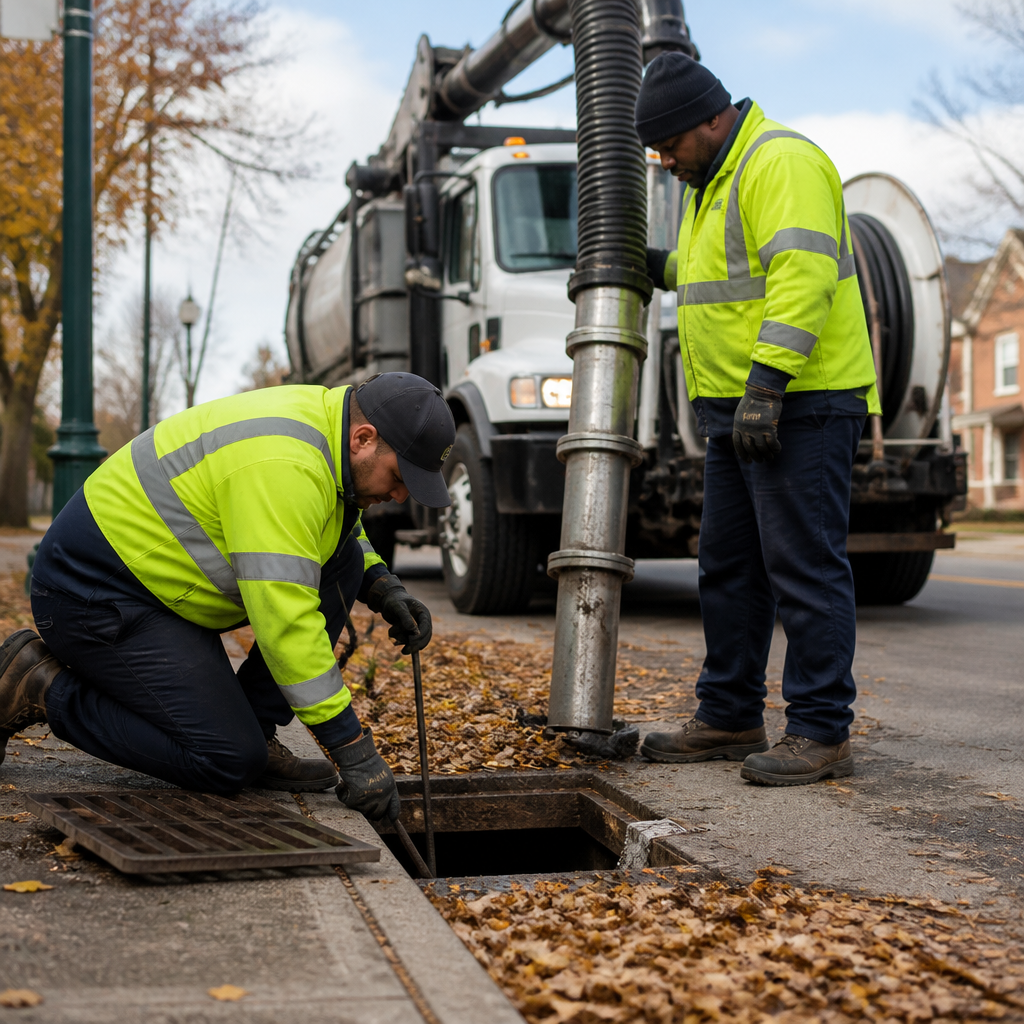

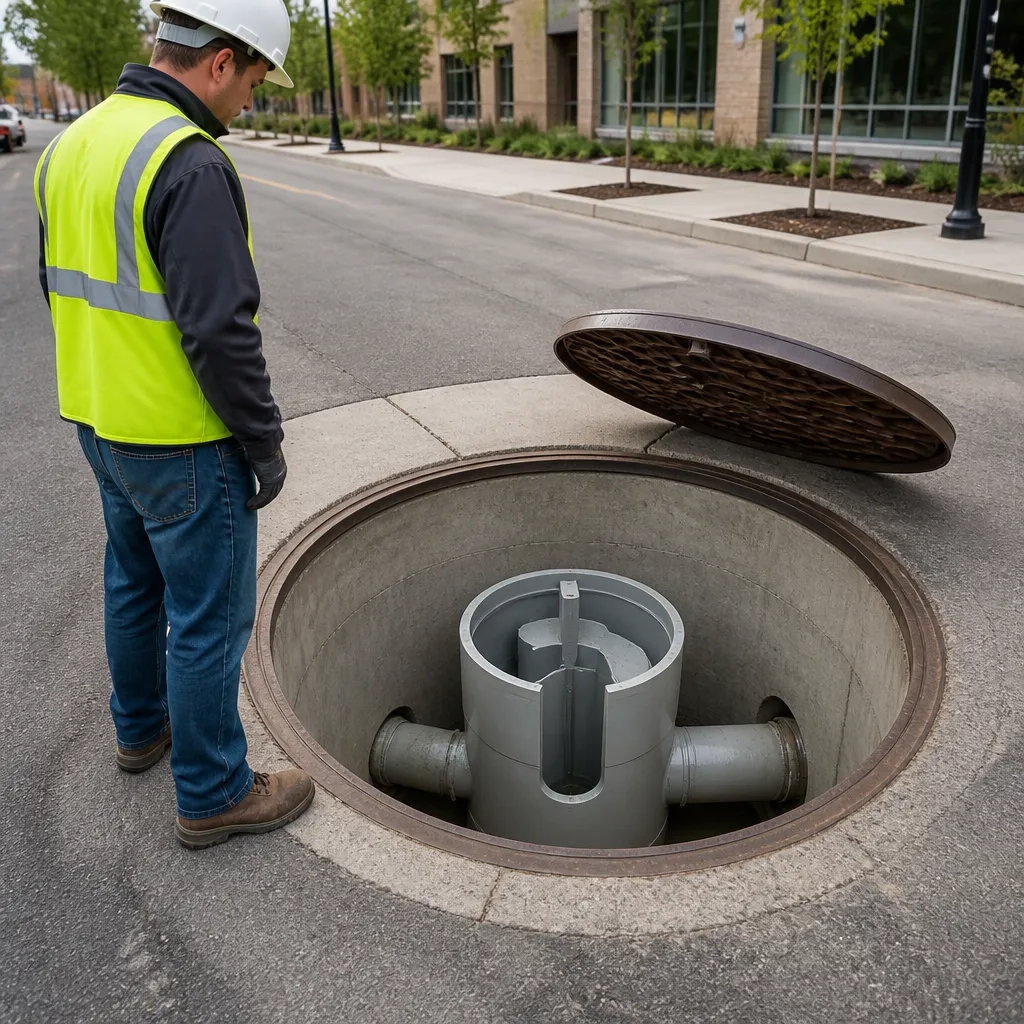
Hydrodynamic separators sit quietly in a storm drain line and rarely get attention until something goes wrong. Hydrodynamic separator cleaning is the step that keeps them working, and it is the one most often pushed back to the next budget cycle. A unit that has filled with sediment does not simply stop working. It can start discharging captured pollutants downstream, which defeats the reason it was installed. This article covers how often cleaning should happen, what a proper cleaning visit involves, and what property owners and municipalities face when it gets skipped.
Table of Contents
- Quick Takeaways
- How Hydrodynamic Separators Work
- How Often to Clean Hydrodynamic Separators
- The Cleaning Process, Step by Step
- What Happens When Cleaning Is Skipped
- Choosing the Right Cleaning Method
- Documentation and Compliance Records
- Keeping Water Quality Performance on Track
- Frequently Asked Questions
- References
Quick Takeaways
| Key Insight | Explanation |
|---|---|
| Annual cleaning is the minimum | Montgomery County, Maryland’s Department of Environmental Protection recommends that a certified contractor pump out, power wash, and clean underground stormwater facilities every year. |
| Let inspection set the schedule | Measure sediment depth and check the upper chamber for oil and floatables before each visit, then clean sooner if the material is close to the manufacturer’s threshold. |
| Use a vacuum truck with a high-pressure rinse | Vacuum removes loose material, while the rinse clears the residue on walls, screens, and baffles that would otherwise become the next buildup. |
| Clean the whole vault | The sump, the oil layer, the floatables, the screen, and the baffle all need attention on every visit, not just the bottom of the unit. |
| A full unit discharges what it caught | A skipped cleaning turns a treatment device into a source of pollutants, because material captured over months can leave in a single storm. |
| Records are part of the job | Log the date, sediment depths, component condition, disposal destination, and contractor for every visit so the history holds up under review. |
How Hydrodynamic Separators Work
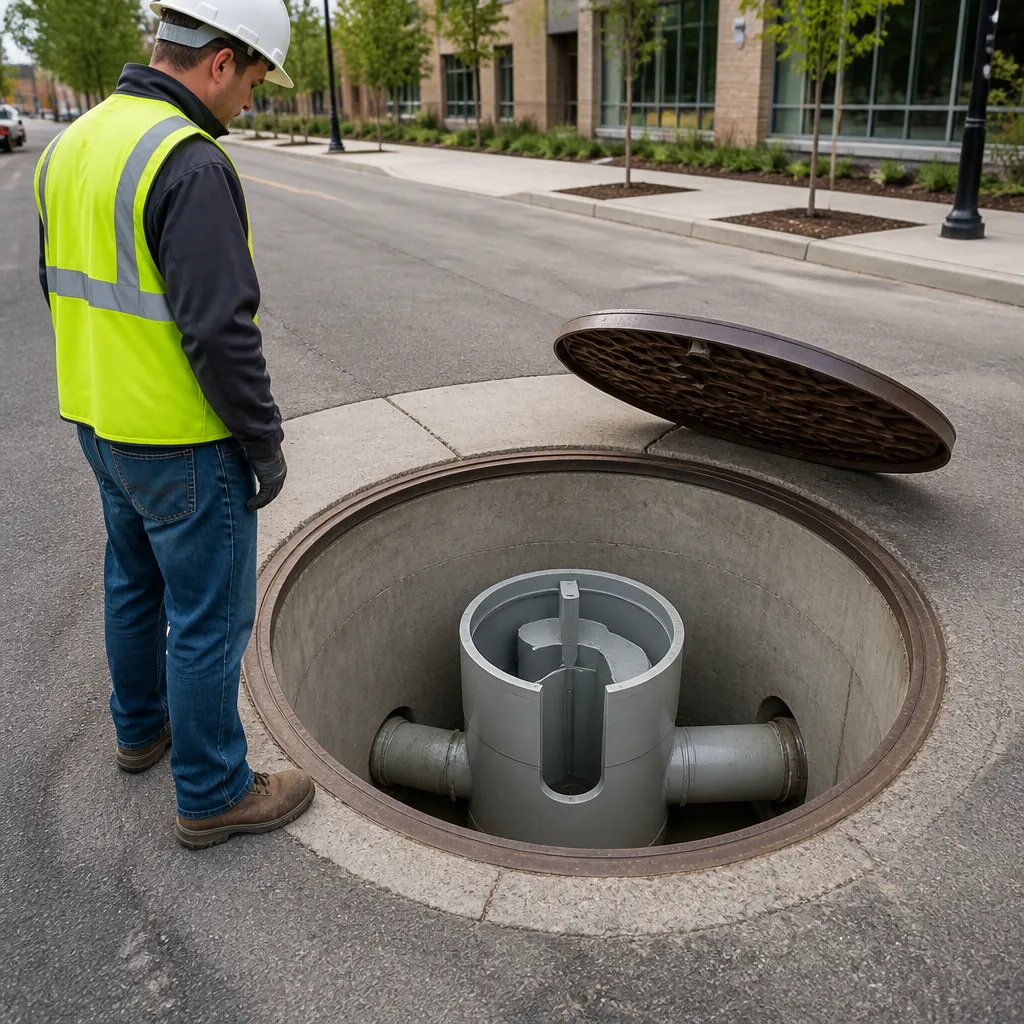
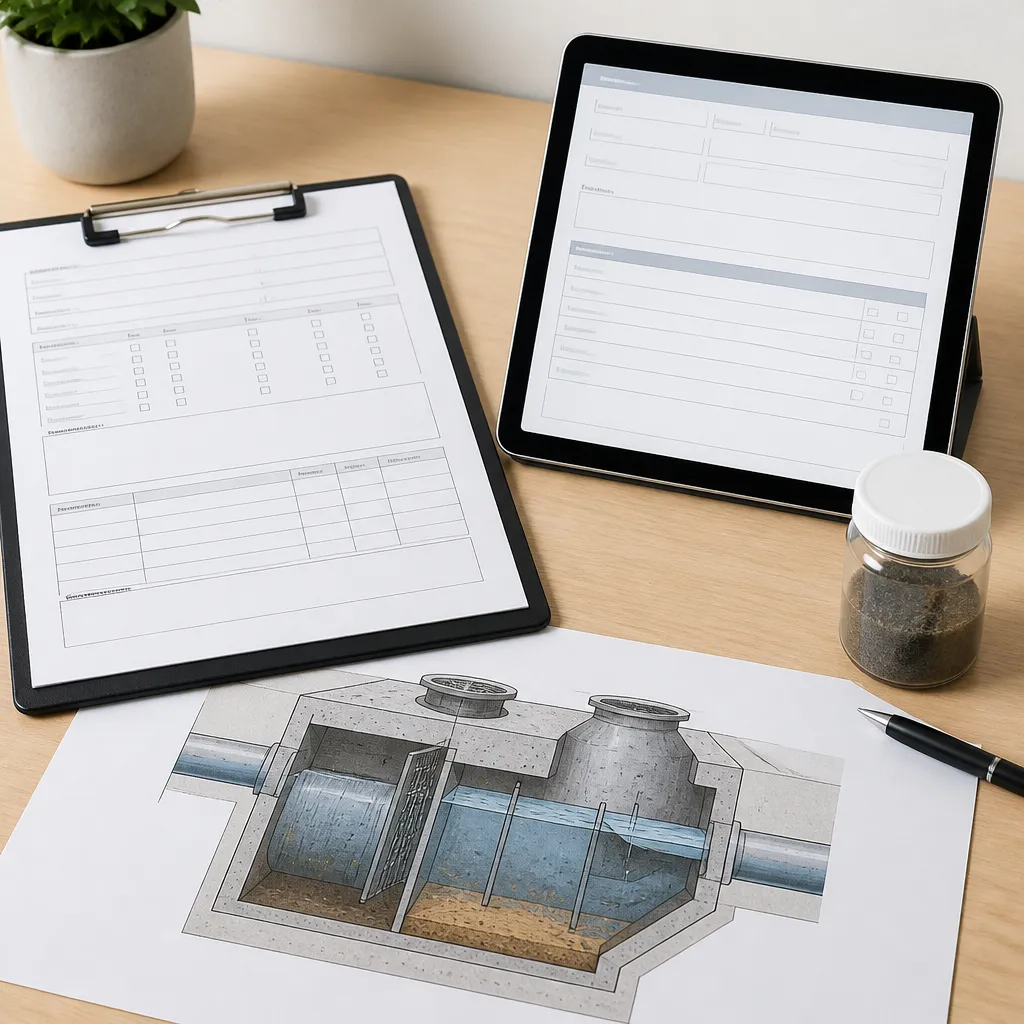
A hydrodynamic separator is an underground chamber that uses the flow of stormwater itself to remove solids and floating materials before the water leaves a site. Most designs combine a swirl or vortex chamber with a sump, plus a screen or baffle that keeps captured material from escaping during larger storms. Because the mechanism is physical, it does not need power or chemicals, but it also has no way to remove what it traps.
Why Sediment Settles Out and Where It Goes
Sediment, grit, leaves, litter, and oil collect in the sump because the swirling flow slows down there. Lighter floating material is held near the surface by the baffle, while heavier grit drops to the bottom. Captured material stays in the unit until someone removes it, and that is the entire reason hydrodynamic separator cleaning exists.
In practice, the sump is where the problem starts. Once it fills and the storage volume is gone, the separator stops holding sediment and begins to act more like a pipe. Water passes over the settled material, and fine particles can be stirred back up during the next storm.
A separator that has not been cleaned is not a treatment device. It is a storage chamber that has stopped holding anything, and that distinction matters when a reviewer reads your maintenance records.
Oil, Floatables, and Why Both Matter
Hydrodynamic units capture oil and floatables as well as sediment, and those materials need removal too. Many owners check only the sump and forget that the upper chamber holds floating debris and oil. A proper cleaning visit addresses the whole vault, not just the bottom.
How Often to Clean Hydrodynamic Separators
The Annual Minimum
The most defensible starting point is once per year. Montgomery County, Maryland’s Department of Environmental Protection recommends that owners use a certified contractor to pump out, power wash, and clean their underground stormwater facility annually. A published field guide for hydrodynamic separators gives the same guidance in operational terms: clean the unit with a vacuum truck at least once a year, or more often based on visual inspections.
Treat the annual visit as the floor, not the target. A unit in a commercial parking lot that collects winter sand and autumn leaves may need attention well before the calendar says so. A unit that drains a small, quiet residential area may go longer, but only if an inspection confirms it.
When Inspection Should Override the Calendar
The inspection result should drive the schedule. Open the access hatch, measure the sediment depth in the sump, and check for floating oil or debris in the upper chamber. If the material is close to the level your manufacturer or design engineer specifies for cleaning, schedule the work now rather than waiting for the next annual slot.
In practice, many owners write a date on a calendar and never open the unit between cleanings. That approach fails in both directions. It cleans units that were nearly empty and misses units that filled after one heavy rain or a construction project upstream.
Pro tip: Take the sediment depth reading from the same spot in the sump on every inspection and write it down with the date. A single reading tells you little, but a few years of readings show the real fill rate for that specific unit.
Factors That Shorten the Interval
Some sites need cleaning more often than the annual minimum, and the reasons are usually visible on site. Heavy leaf drop from nearby trees, winter sanding on a commercial lot, construction runoff from an upstream disturbed area, and fuel or oil drips at loading zones all push fill rates up. Because this article runs in early November, check now whether the unit took a heavy load of leaves over the past few weeks, since autumn debris is often the largest seasonal load.
Units in older developments can also drift away from their design assumptions. If the drainage area has changed since installation, for example after a parking lot expansion, the flow and sediment load may no longer match what the separator was sized for. That mismatch is a reason to re-check the schedule, not just the cleaning.
The Cleaning Process, Step by Step
Pre-Cleaning Inspection
Every cleaning visit starts before the vacuum hose goes in. The crew opens the unit, photographs the chamber, and measures sediment depth, oil layer thickness if present, and the condition of the screen, baffle, and inlet and outlet pipes. Those notes establish what was there before the work began and whether the unit has a structural problem that cleaning alone will not solve.
Confined space entry rules apply to most underground separators. Crews need proper atmospheric testing, ventilation, and trained personnel, and the work should never be treated as a quick look down an access hatch. Skipping that step is a safety problem before it is a cleaning problem.
Vacuum Extraction and High-Pressure Rinse
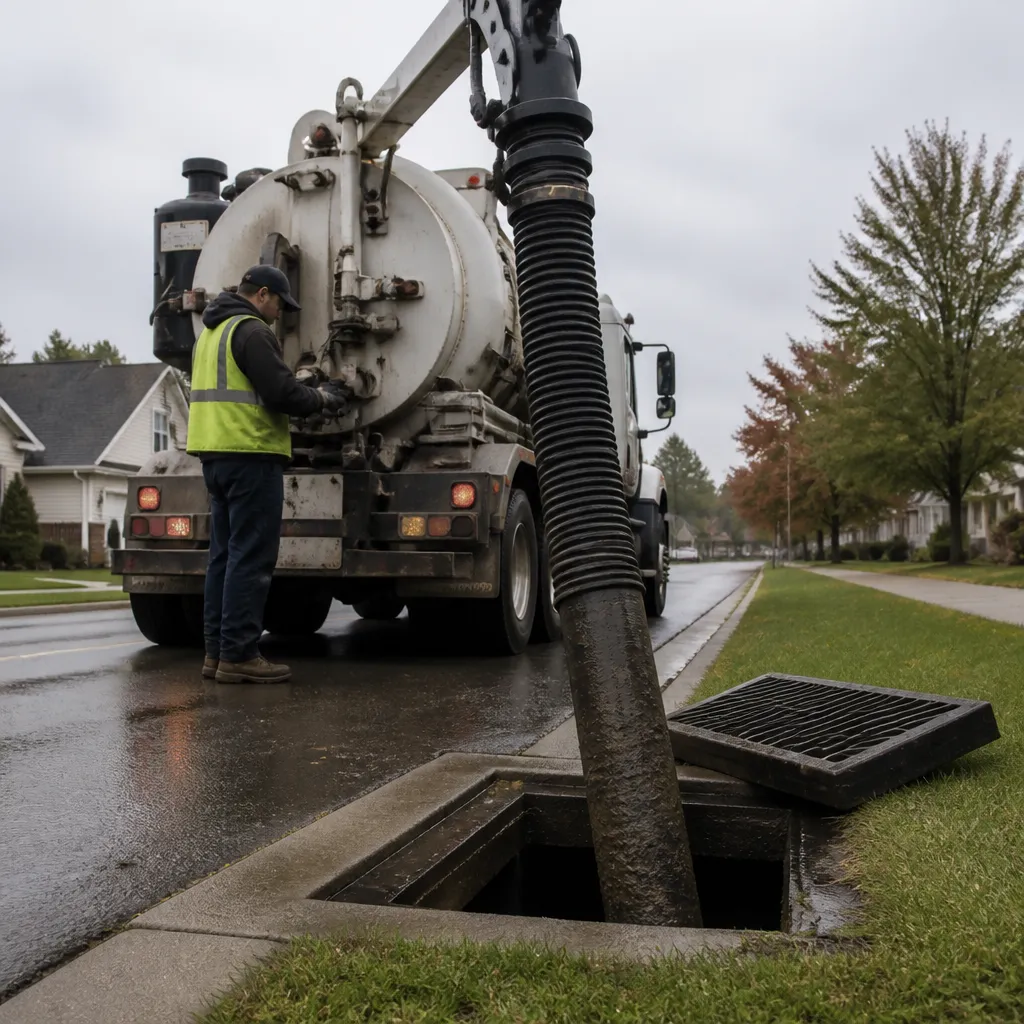
Most underground hydrodynamic separators are cleaned with a vacuum truck that carries a water supply and a high-pressure spray. The truck pulls water, oil, and sediment out of the sump and upper chamber, while the spray loosens material clinging to the walls, screen, and baffle. Both steps matter. Vacuum alone removes what is loose, and the rinse removes the film that otherwise stays behind and becomes the starting layer for the next buildup.
Keep the spray pattern aimed at the chamber walls and screen, not only at the sump, so loosened material drains toward the vacuum hose. Pull all liquid and solids out of the vault rather than leaving standing water to settle back down. A unit that is cleaned partway and left wet often looks clean on paper and fills again within a few storms.
Handling and Disposal of Removed Material
The material pulled from a separator is waste, and its disposal needs a plan before the truck arrives. Sediment and oily material may need to be characterized before it goes to a licensed facility, and the answer depends on what the site collects and on local rules. Ask the contractor where the material will go and how that transfer will be documented, then keep the disposal receipt with the inspection record.
After cleaning, inspect again. Confirm the sump is empty, the screen is intact, and the outlet is clear. Record the final condition and any repair needs, such as a cracked baffle, and schedule those as a separate job rather than hoping the next cleaning will reveal them.
Pro tip: Ask for before-and-after photos at the sump and at the outlet pipe. If a contractor cannot provide them, the cleaning is very hard to verify later when someone asks what was actually done.
What Happens When Cleaning Is Skipped
Sediment Buildup and Resuspension
When cleaning is skipped, the sump fills first. Once the storage space is gone, sediment sits close to the outlet and the separator stops slowing water enough for solids to settle. The unit still looks like it is working because water keeps moving through it, which is why this failure is easy to miss from the surface.
The worse problem is resuspension. Material captured during earlier storms gets stirred up during high flows and carried out with the runoff. A full separator can discharge material it caught months earlier in a single event, which is the opposite of what it was installed to do.
Pollutant Discharge to Receiving Waters
Montgomery County’s guidance on underground separators warns that an unmaintained unit may not remove pollutants as intended, sending polluted water to streams and rivers. Case studies from three Ontario municipalities describe the same pattern. When these devices are not maintained, they fill with sediment and debris, provide little to no stormwater treatment, and contribute to the degradation of aquatic habitat.
Enforcement and Inspection Exposure
For municipal permittees and private owners with maintenance obligations, a skipped cleaning becomes a records problem before it becomes a treatment problem. Inspectors ask for the maintenance log, and a gap of several years with no cleaning and no documented inspection reads as neglect, whatever the physical condition of the unit. The unit may be fine on the day of the visit, but the paper trail is what gets reviewed first.
Work done after a violation notice usually costs more than scheduled work. Crews are called in on short notice, the material load is larger than a routine visit, and the owner has to explain the gap in writing. Scheduled cleaning is almost always the cheaper path.
Choosing the Right Cleaning Method
Comparing the Common Approaches
Three approaches show up on most sites, and they are not interchangeable. The right choice depends on the unit’s size, its access, and what is inside it. The table below compares them on the points that matter most when you are reviewing a bid.
| Method | Where It Works | Where It Falls Short |
|---|---|---|
| Vacuum truck with water supply and high-pressure spray | Standard for most underground units, removes sediment, oil, and clinging residue | Requires truck access and a water source, and needs a trained crew for confined space work |
| Vacuum extraction only | Light sediment loads and units that were cleaned recently | Leaves a film on walls, screens, and baffles that becomes the next buildup |
| Manual removal with buckets or hand tools | Small, easily accessed units with minimal material | Slow, exposes crew to confined space hazards, and rarely removes all residue |
Why Hand Removal Usually Fails the Test
Hand removal looks inexpensive on a single visit, and that is the trap. It takes many hours to move material that a vacuum truck clears in a fraction of the time, and it rarely reaches the corners of the chamber where sediment settles. Owners who choose hand removal often end up paying for a second visit within a year.
Vacuum-only cleaning is more defensible than hand removal, but it still leaves a gap. If the walls, screen, and baffle are not rinsed, the residue becomes the layer the next storm builds on. Ask the contractor to state in the bid whether the high-pressure rinse is included.
Documentation and Compliance Records
What Inspection Logs Should Contain
A useful log records the date, the sediment depth before and after cleaning, the oil and floatables found, the condition of the screen and baffle, and the disposal destination for the removed material. It should also name the crew or contractor and note any repairs needed. Logs with only a date and a checkmark do not hold up well when a reviewer starts asking questions.
Keep the log tied to the unit, not to the project. Units get sold, properties change hands, and maintenance responsibility moves with them. A binder in a site office is not enough if the next owner cannot find it.
Responding to a Violation Notice
When a notice arrives, start by pulling the existing records and checking whether the unit was inspected and cleaned on the schedule the permit requires. Respond in writing, state what was found, and describe the corrective work with dates. A clear, factual response with a scheduled corrective plan usually moves a file forward faster than a late or vague reply.
Stormwater violation response is a specific skill. The reply should match the requirement in the permit or local ordinance, not just the physical condition of the unit. If the gap is real, own it in the response and show the schedule that closes it.
Keeping Water Quality Performance on Track
Matching Cleaning to Pollutant Removal Goals
Stormwater water quality goals are set by the permit or the design, and cleaning is what keeps the unit inside those goals. A separator built to capture coarse sediment and floatables depends on a clean sump to do that job. Cleaning schedules should be written around the pollutants the unit was designed to remove, not just the fill level.
Water quality device maintenance also covers the outlet. Check that the outlet pipe and any bypass are clear after every cleaning, and confirm that flow is not bypassing the chamber. A clean chamber with a blocked outlet still fails the design intent.
Coordinating Separators with Other Water Quality Devices
Many sites have more than one device in series, such as a separator upstream of a bioretention area or a catch basin insert. Each one needs its own cleaning record, and the sequence matters. If the upstream separator is not cleaned, the downstream device takes the overload and fails sooner.
Plan the work as one visit wherever possible. A crew that cleans the separator, the catch basins, and the downstream structures in one trip reduces traffic disruption and gives you one set of records covering the whole treatment train.
Pro tip: Before you bid a cleaning, ask for the manufacturer’s maintenance guidance for that exact model. Sediment thresholds and access points vary between designs, and a crew working from memory will miss them.
Frequently Asked Questions
How often should a hydrodynamic separator be cleaned?
At least once per year is the common minimum, and the cleaning should be done with a vacuum truck. Inspect more often if the site has heavy leaf drop, winter sanding, or construction upstream, and clean sooner if sediment or floatables are close to the level the manufacturer specifies.
Can a hydrodynamic separator be cleaned by hand?
Only small, easily accessed units with light loads are good candidates for hand removal. For most underground units, hand removal is slow, leaves residue on the walls and screen, and exposes crew to confined space hazards. A vacuum truck with a high-pressure rinse is the more reliable method.
What happens if I skip cleaning for a year or two?
The sump fills, storage capacity drops, and the unit begins passing sediment and floatables instead of holding them. Material captured in earlier storms can be stirred up and discharged. The unit may still look functional, but its treatment performance is reduced and the maintenance record will show a gap.
Do I need to keep a record of each cleaning?
Yes. Records should show the date, sediment depth before and after, the condition of internal components, the disposal destination, and the contractor’s identity. Good records protect the owner when an inspector or regulator asks what was done and when.
Is cleaning the same thing as inspection?
No. Inspection tells you what is in the unit and whether it needs cleaning, while cleaning removes the material. Most sound maintenance programs use the inspection result to set the cleaning schedule, which is why the two should be planned together.
What cleaning schedule has worked best for the hydrodynamic separators you manage, and which problem showed up first when a visit got pushed back?
References
- Montgomery County guidance on underground hydrodynamic separator maintenance
- Montgomery County overview of what happens when underground separators go unmaintained
- Hydrodynamic separator field guide on inspection and vacuum truck cleaning intervals
- Stormwater association overview of hydrodynamic separator maintenance equipment
- Ontario municipal case studies on maintaining hydrodynamic separators